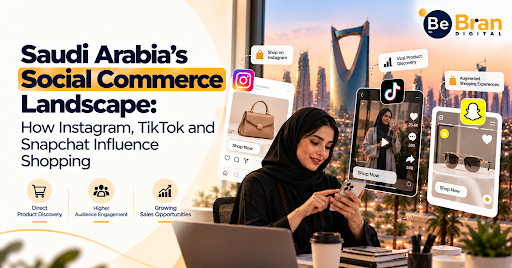


Riyadh, 30 October 2026: Social media has become one of the most powerful shopping channels in Saudi Arabia. According to Mordor Intelligence, the Kingdom's social commerce market is expected to grow from USD 44.06 billion (about SAR 165 billion) in 2025 to USD 55.87 billion (about SAR 210 billion) in 2026, and could reach USD 134 billion by 2031, an annual growth rate of around 19%.
Three platforms sit at the centre of this shift. Snapchat reports more than 26 million monthly users in the Kingdom, TikTok's advertising reach is among the highest in the world, and Instagram remains the go-to platform for fashion, beauty, food and lifestyle discovery. Video commerce already accounts for more than a third of social commerce sales, and smartphones for over three-quarters.
For brands in Riyadh, Jeddah, Dammam and across the GCC, the customer journey has changed. Shoppers now discover a product in a Snap, Reel or TikTok, check reviews from creators they trust, and buy within minutes—often with the help of specialized digital marketing services in Saudi Arabia—without ever visiting a traditional search engine.
Each platform plays a different role in the Saudi shopping journey. The table below compares their reach, strengths and the formats that work best for brands.
Sources: Mordor Intelligence (2025), Riyadh Daily (November 2025), Statista (2026).
Most Saudi brands are active on social media, but many struggle to turn likes, views and followers into actual orders. The audience is there, yet the path from a post to a purchase is often broken. These are the most common gaps we see among businesses in Riyadh, Jeddah, Makkah and the Eastern Province:
The outcome is high spend, plenty of engagement and disappointing revenue, at a time when competitors are winning customers directly from their feeds.
Snapchat is part of everyday life in the Kingdom, with around 90% of Saudis aged 13 to 34 using it actively, according to Riyadh Daily. Research by Publicis Media and NRG with Snapchat in 2025 found that 93% of quick-service restaurant customers say seeing food online makes them want to order, and 83% of electronics shoppers say they buy directly through social platforms such as Snapchat. AR Lenses are especially powerful: 87% of apparel shoppers said they use augmented reality to inform online decisions.
TikTok turns trends into shopping lists. Short videos from creators can make a product sell out overnight, particularly in beauty, fashion, gadgets and food. With reports that TikTok Shop may launch in the Kingdom in early 2027 (not yet confirmed by TikTok), brands are already preparing their catalogues and creator partnerships. Read more in our TikTok marketing news.
Instagram remains the visual shop window for Saudi brands, especially in fashion, abayas, perfumes, beauty, cafes and home décor. Shoppers use Reels and Stories for inspiration, check a brand's profile and highlights for credibility, then buy through a website, a Salla or Zid store, DMs or WhatsApp.
Across all three platforms, the same patterns are emerging. These trends are changing how Saudi consumers discover, compare and buy products:
To understand how creators fit in, see our coverage of influencer marketing trends in Saudi Arabia.
The solution is to treat social media as a full sales channel, not just a branding tool. Whether you run a perfume brand in Riyadh, a restaurant in Jeddah, an electronics store in Dammam or an online abaya boutique serving the GCC, these steps will help you turn social attention into revenue:
Saudi Arabia's E-Commerce Law requires online sellers to disclose who they are and to provide clear information on prices, delivery and returns. Influencers who promote products for payment need a Mawthooq licence from the General Authority for Media Regulation (SAR 15,000 for three years), and paid content should be clearly disclosed. Brands collecting customer data through ads, forms and WhatsApp should also follow the Personal Data Protection Law (PDPL).
Our social media marketing,paid advertising and content marketing teams can help you build this system, and our article on e-commerce growth and performance marketing explains how to scale profitably.
We believe social commerce succeeds when creative, platforms and sales tracking work as one system. BeBran Digitalis the top digital marketing agency helps brands in Riyadh, Jeddah, Makkah, Madinah, Dammam, Khobar and across the GCC turn Instagram, TikTok and Snapchat into reliable sales channels. Here is what we bring:
For Arabic-speaking readers, here's a short summary of the key points in Arabic.
تشهد التجارة الاجتماعية في المملكة العربية السعودية نموًا سريعًا، إذ يُتوقع أن يصل حجم السوق إلى نحو 55.9 مليار دولار (حوالي 210 مليارات ريال) في 2026 وفقًا لـ Mordor Intelligence. وتلعب إنستغرام وتيك توك وسناب شات دورًا رئيسيًا في قرارات الشراء في الرياض وجدة والدمام وباقي مدن المملكة.
بي بران ديجيتال تساعد العلامات التجارية في المملكة على تحويل التفاعل على وسائل التواصل الاجتماعي إلى مبيعات حقيقية.
Saudi shoppers are already buying from their feeds. The brands that win will be the ones that give each platform a clear role, create content that feels native and make buying fast and trustworthy. Whether you sell in Riyadh, Jeddah, Dammam or across the GCC, BeBran Digital can build a social commerce strategy across Instagram, TikTok and Snapchat that delivers measurable results.
Talk to our team today to discuss your social commerce plans.
BeBran Digital: Best Digital Marketing Agency in Saudi Arabia.
1. What is social commerce?
Social commerce is when people discover, research or buy products through social media platforms such as Instagram, TikTok and Snapchat. It includes shoppable posts, catalogue ads, creator recommendations and purchases made through links, DMs or WhatsApp.
2. How big is the social commerce market in Saudi Arabia?
According to Mordor Intelligence, Saudi Arabia's social commerce market is expected to reach USD 55.87 billion (about SAR 210 billion) in 2026, up from USD 44.06 billion in 2025, and could reach USD 134 billion by 2031.
3. Which platform is best for selling in Saudi Arabia: Instagram, TikTok or Snapchat?
It depends on your products and customers. Snapchat offers huge daily reach among young Saudis, TikTok is strong for discovery and impulse buying, and Instagram works well for inspiration and trust. Most brands get the best results by using all three, each with a clear role.
4. Do I need a licence to sell through social media in Saudi Arabia?
Businesses selling online should be properly registered and follow the E-Commerce Law, including showing who they are and providing clear price, delivery and return information. Influencers promoting products for payment need a Mawthooq licence from the General Authority for Media Regulation.
5. Is TikTok Shop available in Saudi Arabia?
Not as a full local marketplace yet. Industry reports in August 2026 suggested TikTok Shop may launch in Saudi Arabia in early 2027, but TikTok has not officially confirmed this. Brands can already sell through catalogue ads, website campaigns and messaging ads.
6. How can I measure sales from social media?
Install the Meta Pixel, TikTok Pixel and Snap Pixel with conversion APIs, use tracked links and discount codes, and record WhatsApp enquiries and orders. This lets you compare cost per sale and return on ad spend across platforms.


